Validating a Game Concept in Days, Not Months
Using AI pair-programming to test whether a nostalgic combat loop was actually fun, before investing months building it by hand.
The problem
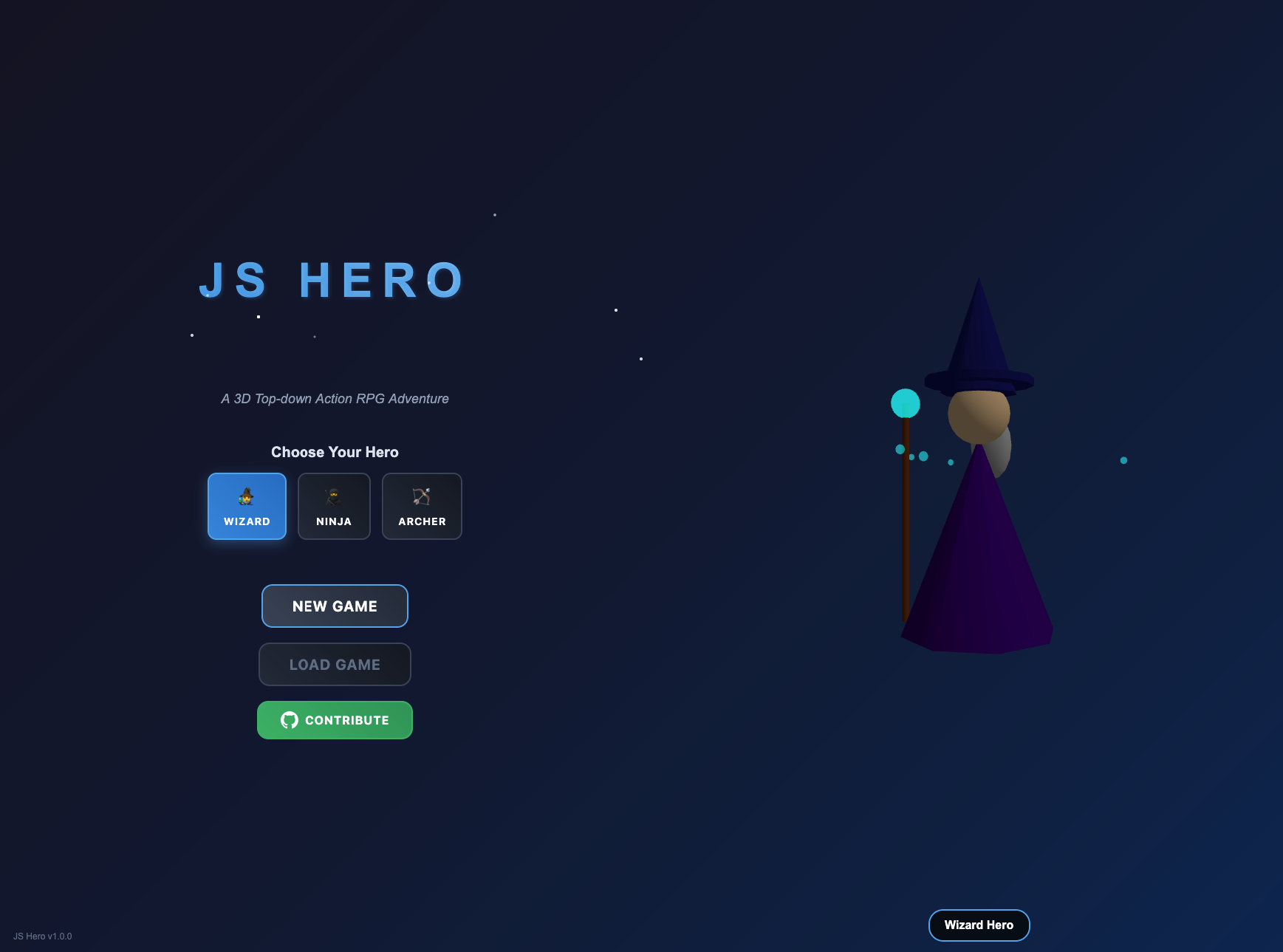
Archero was my go-to dopamine hit in high school, and a trip abroad had me itching to know: could that same core loop (simple movement, satisfying combat) be recreated well enough to know if it was still fun, without a multi-month build? The real question wasn't "can I build this," it was "how fast can I learn if it's worth building."
Approach
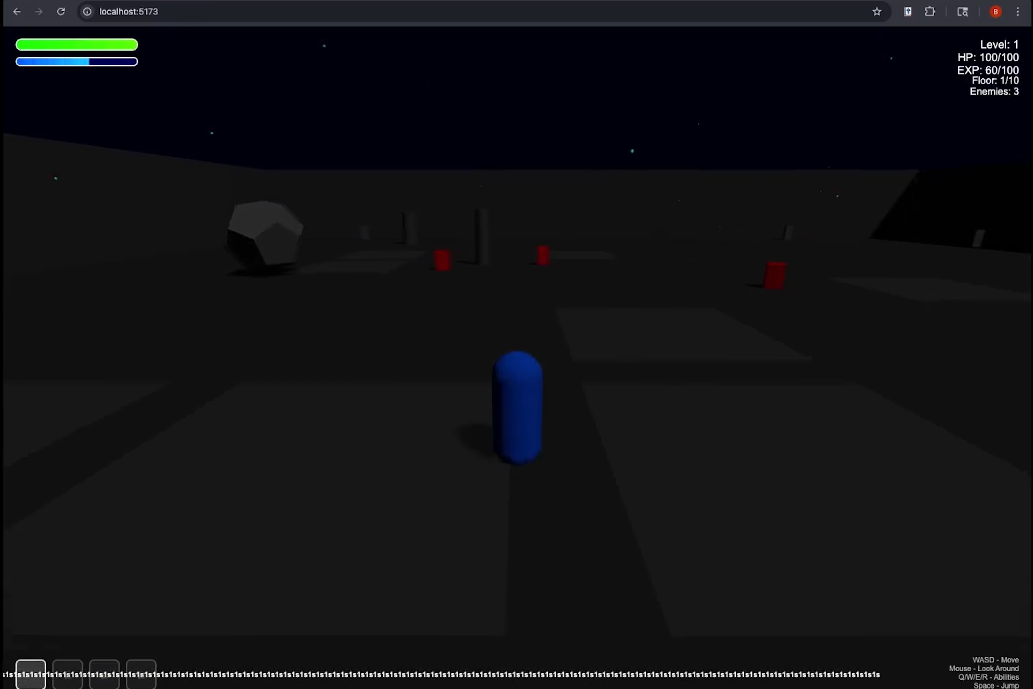
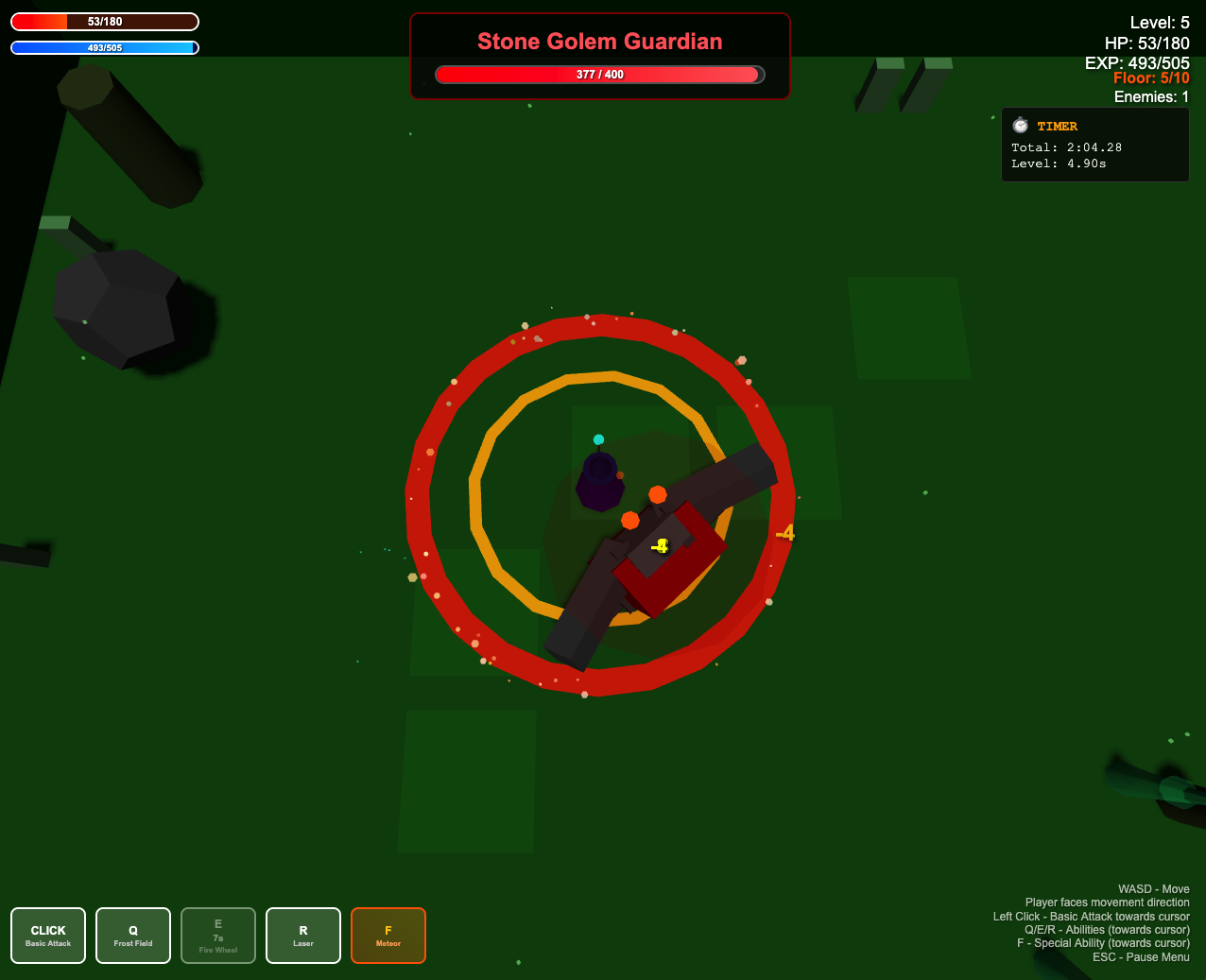
I treated Cursor AI as a production pair, not a one-shot generator: a simple first prompt ("keep the graphics minimal, focus on the core mechanics"), then tight iterative rounds refining movement and combat feel based on actual playtesting after each pass.
Key decisions
No menus, no progression systems, no art pipeline. Movement and combat had to feel good on their own before anything else got built.
Each version got played, not just reviewed as code: the feel of the combat loop was the actual thing being tested.
AI-generated assets lacked hand-crafted polish, a deliberate trade to get to a testable core loop in days instead of months.
Outcome
Estimates based on comparing iteration speed to prior hand-coded prototypes.
Learnings & what's next
- Knowing when a "good enough" prototype beats a polished build is its own product skill: not every idea needs full production quality to be validated.
- AI tools compress the build phase, which shifts more of the timeline toward defining what to test and reading the results.
Next: rebuilding with Claude Code to compare tool approaches, and adding a competitive leaderboard to test whether a speedrun mechanic actually drives retention.